Best Winter Sun Destinations for Digital Nomads
British winter is not brutal, but it is long. Four o'clock sunsets, damp cold and the same four walls do something to your motivation that no amount of coffee fixes. If you work remotely, the solution is refreshingly simple: spend six to ten weeks somewhere warm where the internet is fast, the coffee is good and your clients can still reach you at a sensible hour.
The catch is that winter sun and decent remote-work infrastructure do not always arrive together. A beautiful beach with unreliable power is a miserable place to run a business from. What follows are destinations that genuinely hold up in December, January and February — warm enough to swim or hike, connected enough to join a video call without apologising.
What actually matters in a winter sun base
Before you fall for a photo of a palm tree, run every candidate past this list. It is the difference between a productive winter and an expensive lesson.
- Reliable internet, with a backup. Look for fibre in the apartment plus a local SIM with a generous data allowance. Test the speed when you arrive, not on the morning of an important call.
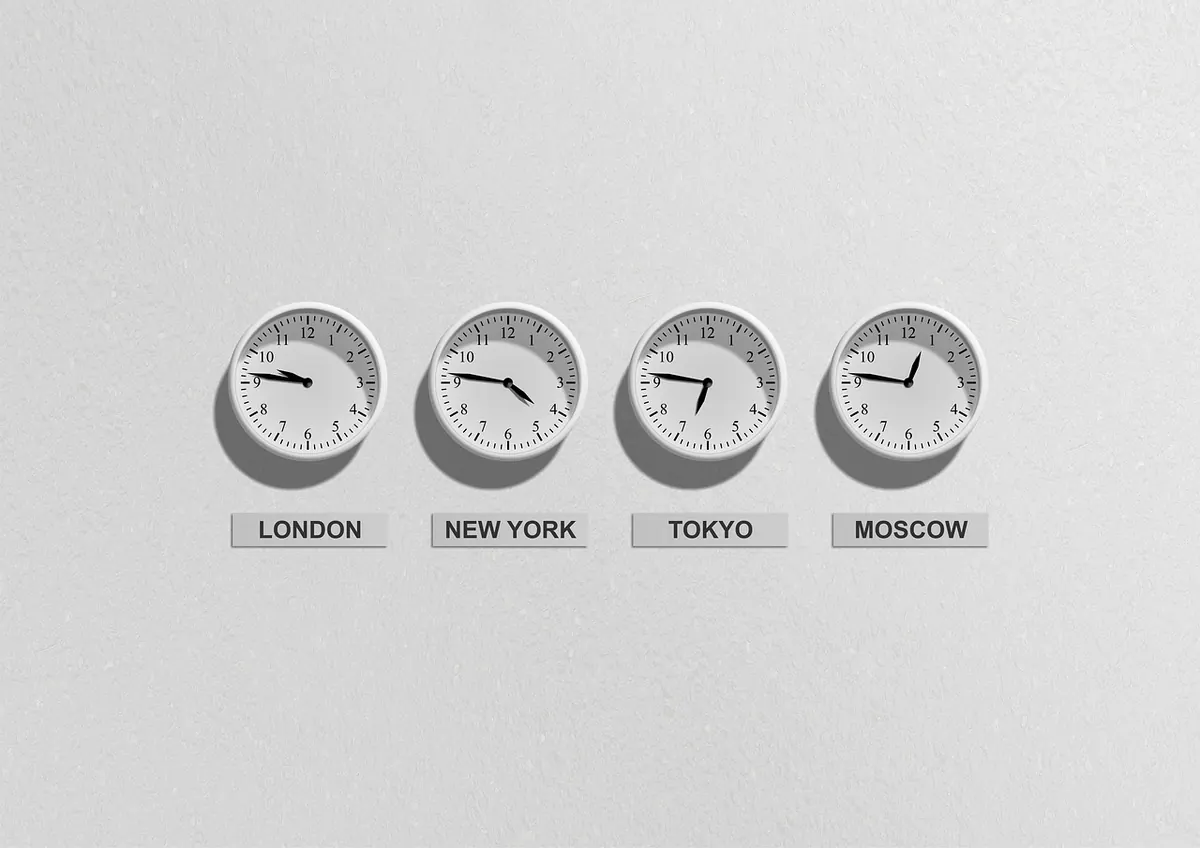
- A workable time zone. Anything two to three hours either side of the UK is painless. Six or seven hours ahead or behind means restructuring your day around client calls.
- The dry season, not just the warm season. Warm and wet is not a holiday. Check when the rains actually fall, region by region.
- A walkable base. Cafés, a coworking desk, a gym and a supermarket within fifteen minutes on foot will shape your week more than the view from the balcony.
- A visa-free or easy stay of at least 30 days. Rules change, so check the current requirements for your passport before booking flights.
- Cooler evenings. Almost everywhere on this list drops to 15°C or below after dark in midwinter. Pack a layer you would actually wear at home.
Canary Islands: the low-effort option
Nowhere else gets you from a UK airport to genuine winter warmth in about four hours, in the same time zone, with EU roaming and Spanish supermarkets. Las Palmas on Gran Canaria has the densest concentration of remote workers, with a proper city beach, coworking desks and a steady stream of people doing exactly what you are doing. Tenerife splits into the busier south — Costa Adeje, Los Cristianos — and the greener, cooler north around Puerto de la Cruz and La Laguna.
Expect daytime temperatures in the low twenties, plenty of sunshine and a breeze that makes the shade feel cold. The trade winds mean the south-west coast is usually calmer than the east. If you want surf, El Médano and Famara on Lanzarote are the obvious picks.
Cape Verde: warmer water, slower pace
Roughly six hours from the UK and one hour behind GMT, Cape Verde is the step up in temperature that the Canaries cannot quite offer. Days sit comfortably in the mid-twenties and the sea is warm enough to swim properly, which matters more than you think when you are working through a British January.
Sal and Boa Vista are the resort islands; Mindelo on São Vicente has more character and a small but growing coworking scene. Santo Antão is for hiking and steep, dramatic valleys. The honest trade-off is infrastructure. Wi-Fi can be patchy, so buy a local SIM on arrival and treat it as your primary connection. Bring some cash, because card acceptance is uneven outside the main towns, and accept that the pace of life is the point.
Morocco and Egypt: short flights, lower costs
Agadir and the surf village of Taghazout, about three and a half hours from the UK, offer twenty-degree days, a well-established café culture and coworking spaces that understand the rhythms of a working day. Marrakech is a different proposition in winter: beautiful, but genuinely cold in the mornings and evenings, and many traditional riads are not built for it.
In Egypt, Dahab on the Sinai coast remains a long-standing favourite for divers and remote workers on a budget, with cheap accommodation, warm days and plenty of places to sit with a laptop. Hurghada is more resort than town. Connectivity in both countries varies enormously between one apartment and the next, so ask for a speed test before you commit, keep a mobile hotspot ready, and expect the occasional power cut. Check your government's current travel advice before booking, and make sure your insurance covers where you are actually going.
Southeast Asia: the reliable winter escape
Thailand and Vietnam are in their dry, cool, pleasant season from November through February, which is precisely when northern Europe is at its worst. Krabi, Ao Nang, Koh Lanta and Phuket are all straightforward to work from, with condos wired for fibre and coworking in every sizeable town. In Vietnam, Da Nang and Ho Chi Minh City combine fast internet with low living costs and excellent food.
The catch is the clock. At seven hours ahead, the UK working day runs from your late afternoon into the evening, so most people shift their own hours earlier: deep work in the morning, calls from 4pm, dinner at nine. Chiang Mai is popular but gets cool and hazy towards the end of the season, so research the air quality if you are prone to breathing problems.
Latin America: longer flights, afternoon calls
Mexico and Colombia both deliver warm, dry winter days, and the time difference works in your favour if you are a night owl. At five to seven hours behind the UK, your mornings are free and client calls land in your afternoon and early evening. Medellín has become a genuine hub, with spring-like weather year round and a strong coworking culture. Playa del Carmen and Puerto Vallarta are the obvious Mexican bases; Oaxaca suits anyone who would rather have mountains and markets than a beach.
Warm weather is the easy part. The variable that decides whether a winter abroad works is whether you can do your job without fighting your surroundings.
Cape Town: summer in the south
December to February is Cape Town's summer: long evenings, dry heat in the high twenties and beaches that deserve the fuss. It has the strongest remote-work infrastructure in Africa — serious coworking spaces, reliable fibre in most neighbourhoods, and a large community of people working UK hours from cafés in Sea Point and Woodstock.
Two things to plan around. First, load-shedding: check that your accommodation has an inverter or battery backup and that the router stays on during outages. Second, price and availability. Christmas and New Year are peak season, so book months ahead. As in any big city, research the neighbourhood you are staying in and take local advice on getting around after dark.
Before you book: a short checklist
- Reserve accommodation early for late December, when warm destinations fill up and prices climb.
- Check passport validity and visa rules for your nationality, and confirm how long you can stay.
- Buy travel insurance that covers medical care, your laptop and, ideally, remote work.
- Sort money in advance: a card with no foreign transaction fees, plus some local cash for the first few days.
- Arrive with a plan for your first working day — a desk, a SIM and a supermarket run.
One last thing worth saying plainly: spending months abroad can affect your tax position and, depending on your situation, your residency status. That is a conversation for an accountant, not a travel blog. Get proper advice before you book a one-way ticket, then get on with enjoying a winter that does not involve scraping ice off anything.
Photo: suraram / Pixabay