Common Mistakes New Digital Nomads Make (And How to Avoid Them)

The first month as a digital nomad rarely looks like the brochure. You land tired, your bag is heavier than you remember, the apartment is smaller than the photos, and the Wi-Fi drops during your first client call. None of that means you have made a terrible mistake. It usually means you have met the same handful of problems every new nomad meets. The trick is to spot them early, fix what you can, and stop treating every setback as proof that the lifestyle is not for you.
Packing for the person you think you will be
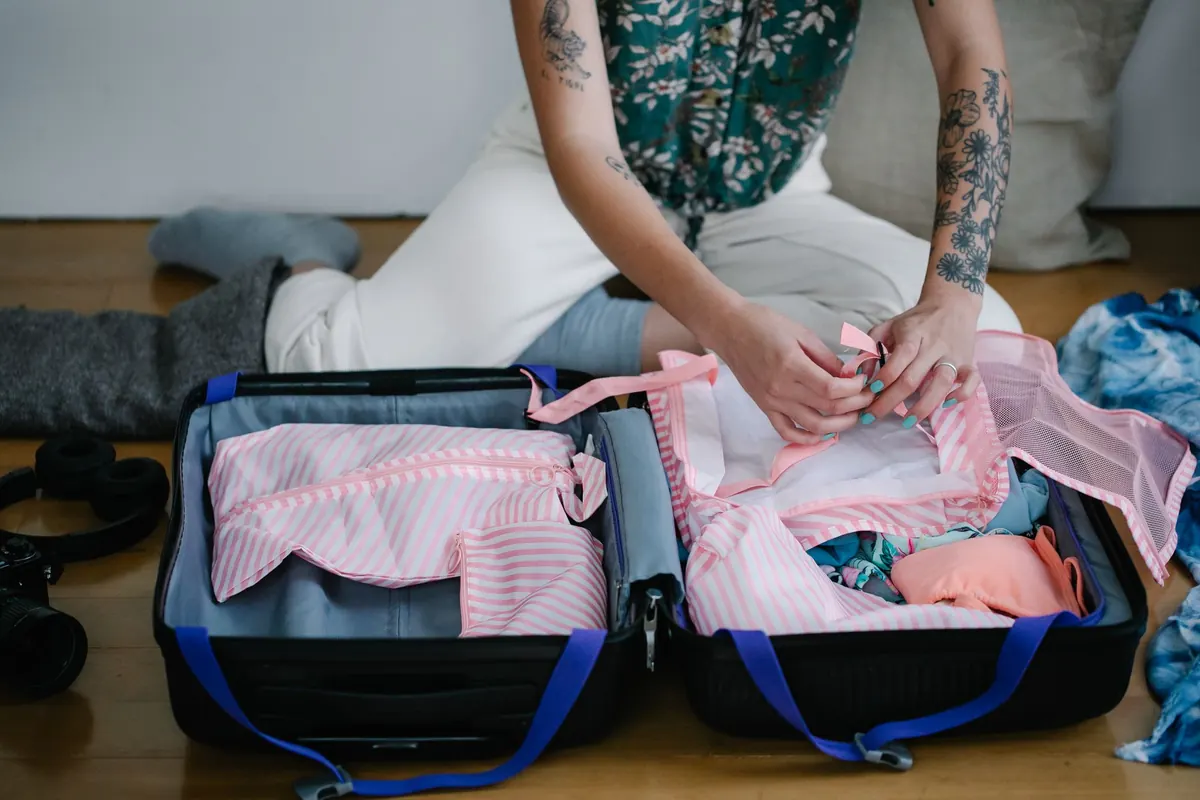
Overpacking is the most common mistake because it feels sensible at the time. You pack the running shoes, the smart outfit for a meeting that may never happen, the bulky camera, the extra charger, and three books. Then you drag it through airports, pay for excess baggage, and wear the same four items anyway.
Pack for one week, not one year. Lay everything out, then remove a fifth of it. Choose clothes that work in layers and can be washed easily. Take one pair of shoes for walking and one smarter pair if you truly need them. Buy toiletries, cables, and cheap basics when you arrive.
- Weigh your bag before you leave and again after a month.
- Keep a small “maybe” pile. If you have not missed an item in four weeks, you did not need it.
- Pack for the climate you are actually going to, not the one you dream about.
- Choose a bag you can carry up stairs, on buses, and over cobbles without help.
Budgeting with holiday maths
Holiday maths says: rent plus food plus flights. Nomad maths adds insurance, visa runs, coworking, airport transfers, laundry, ATM fees, replacement tech, and the week you get ill and cannot cook. It also adds tax and legal questions that vary by country and by how long you stay. Those are not small details.
Build three budgets. Fixed costs cover rent, insurance, phone, and coworking. Variable costs cover food, transport, and fun. A buffer covers mistakes, emergencies, and quiet work months. Track your spending for the first month without judging it. Then set a weekly allowance and check it every Sunday.
Make the money boring
Use a separate account for travel spending if you can. Tell your bank you are abroad so cards do not get blocked. Carry a backup card and a small amount of local cash. If you are earning across borders, speak to a qualified tax adviser in the relevant countries. A short professional conversation can save months of worry.
Treating the first city as the only city
New nomads often book three months in a place because it looks perfect online. Then they arrive and discover the neighbourhood is noisy, the coworking space is far away, or the weather is not what they expected. Now they feel stuck, and the budget is locked in.
Book two to four weeks first. Treat it as a test. Walk the neighbourhoods, try the transport, visit a coworking space, and see how you feel after a full working week. If it works, extend. If not, move on without guilt. Choose a city for the ordinary Tuesday, not just the weekend.
Working anywhere, resting nowhere
When your desk is also your kitchen table, work expands. You answer one more email, take one more call, and then wonder why you feel exhausted in a city you moved to for freedom. Cafés are not offices. Bad chairs and laptop-only days take a toll.
Set working hours and write them down. Create a startup routine: shower, dress, walk around the block, then open the laptop. Create a shutdown routine too. Close the laptop, write tomorrow’s first task, and leave the screen alone. Take at least one full day off each week. If you have persistent pain, low mood, or sleep problems, seek advice from a qualified health professional.
Find a work anchor
A coworking day, a regular call with a colleague, or a library session can give structure. The point is not to recreate an office. It is to give your brain a clear signal that work has started and finished.
Underestimating loneliness and isolation
Isolation creeps in quietly. You have work, you have Wi-Fi, and you have plans to explore. Then a week passes without a real conversation. Constant moving makes it harder, because friendships need repetition. One coffee is nice. The same running club three weeks in a row is how you start to belong.
Build routines that put you near the same people. Join a class, a sports team, a choir, a volunteer group, or a language meet-up. Use coworking spaces properly: talk to people, ask what they are working on, and suggest lunch. Stay longer in one place if connection matters more to you than checking off countries. Keep in touch with people at home, but do not rely on them for every meal.
Make a third place
Find a café, park, gym, or bar that is not your accommodation and not your workspace. Go there regularly. Familiar faces turn a city from a stop into a place.
Ignoring the boring admin
Visas, tax residency, insurance, banking, backups, and emergency contacts are not exciting. They are also the things that turn a small problem into a crisis. Rules differ by country and change. Check official government sources, not just forum posts. Keep digital and paper copies of important documents. Set calendar reminders for visa dates and insurance renewals. For tax, immigration, or legal matters, get advice from a qualified professional who knows your situation.
Freedom works better when the boring parts are handled.
A simple first-month plan
Start with less. Pack for a week, book short, and keep a buffer. Work from a proper desk when you can, and stop at a sensible hour. Join one regular activity. Deal with admin before it becomes urgent. Then review: what drained you, what gave you energy, and what will you change for month two?
Digital nomad life is not a test you pass or fail. It is a set of habits you adjust. Get the basics right, and the rest of the experience has room to become what you hoped it would be.
Photo: Pexels / Pixabay