Comparing Portable Wi-Fi Options for Digital Nomads
Nothing stalls a working day faster than a spinning circle where your video call should be. Staying online while you travel is mostly about picking the right tool for the moment, and keeping a second one in reserve for when the first fails.
Three options do most of the work: a portable mobile hotspot, a local SIM card, and an eSIM. They overlap, they cost different amounts, and each one fails in its own particular way.
The three options at a glance
- Mobile hotspot (MiFi). A pocket router with a SIM slot that creates a private Wi-Fi network for your laptop, phone and tablet.
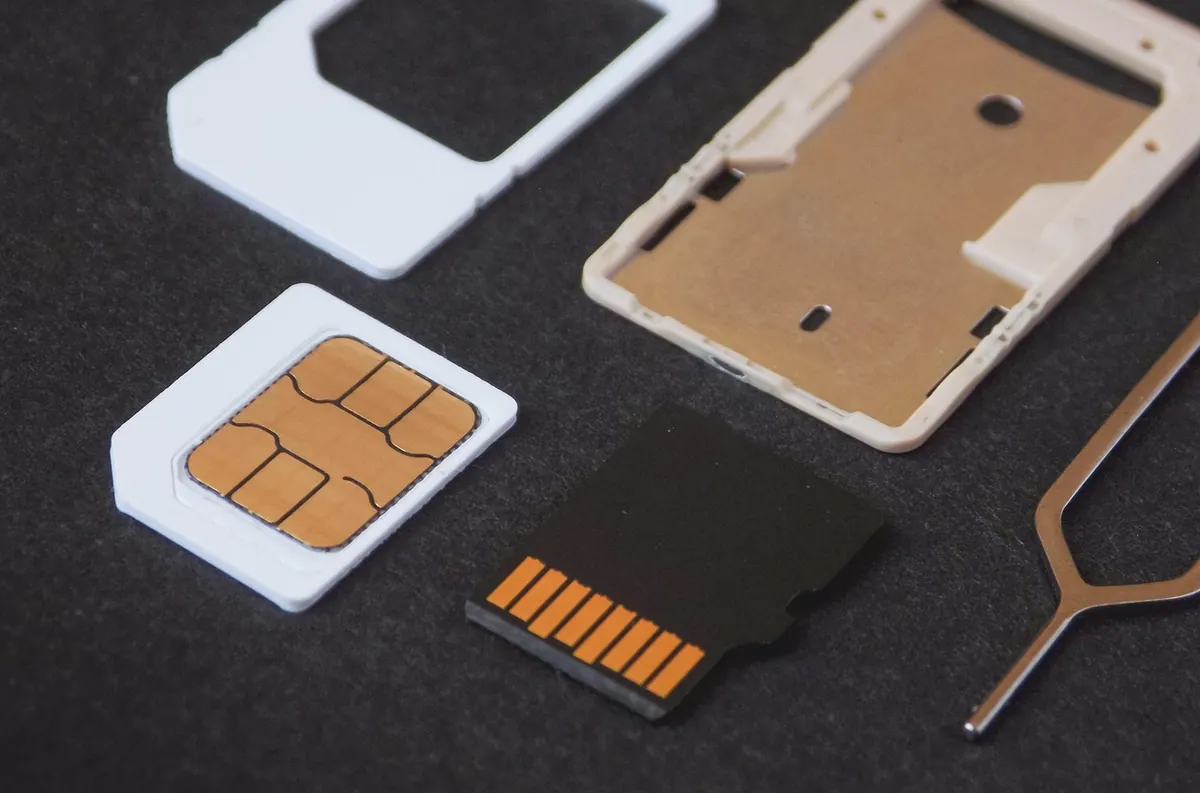
- Local SIM card. A physical SIM bought in the country you're visiting. Usually the best value per gigabyte, but it costs you a shop visit, your passport and part of an afternoon.
- eSIM. A digital profile downloaded before you fly. No plastic, no queue, most often data-only.
Mobile hotspots: your own private Wi-Fi bubble
A hotspot earns its place when several devices need to be online at once. You slot in a data SIM, local or international, and your laptop, tablet and phone all share it. That's useful in a café with a two-device limit, or in a flat where the Wi-Fi collapses whenever the neighbour starts streaming.
It also solves a quieter problem: trust. A network you control beats a shared one in a busy hostel common room, where you have no idea who else is on the router or what they're running. For anyone handling client files or logging into work systems, that alone can justify the extra device.
Two things to check before buying. Look at the LTE and 5G bands the device supports and compare them with those used at your destination: a cheap European hotspot can be close to useless in parts of Asia or the Americas. Then buy unlocked, or confirm you can unlock it, so you aren't tied to one network's roaming rates.
Battery life is the real constraint. Most pocket routers manage a working day of light use and considerably less if you're on calls all afternoon. Carry a power bank with enough output to charge the hotspot and your phone together, and change the default Wi-Fi password as soon as you set it up. A network named "MiFi-4G" with no password is an open door.
Local SIM cards: cheapest per gigabyte, most friction
For a month or more in one country, a local SIM is usually the best value, and the most work. In many places you'll need your passport, and registration rules vary. Some networks won't sell to visitors at all, or only on limited plans. Check the operator's website or an airport counter before you build your first day around it.
Expect to spend a couple of hours on the process: finding an open shop, queueing, handing over ID, waiting for activation, then working out the APN settings if data doesn't connect by itself. Install the operator's app while you're there. Topping up later is far easier that way.
Timing matters more than people expect. Arriving on a Sunday evening, or during a public holiday, can leave you without data until the shops reopen — a poor start to a Monday full of calls. If your first day matters, buy the SIM at the airport even at a higher price, or have an eSIM ready as a stopgap.
A local number is the quiet bonus. It helps with restaurant bookings, delivery apps, taxis and verification codes for local services. Keep the SIM alive if you want those codes after you leave.
eSIMs: data within minutes of landing
An eSIM is a profile stored on your device rather than a chip you swap. Buy a plan online, install it while you still have home Wi-Fi, and switch it on when you land. Nothing to lose, nothing to queue for, and your usual SIM stays in place for calls and messages.
The trade-offs are price and structure. Most travel eSIM plans are data-only, so no ordinary calls on that line, and per-gigabyte rates sit above what a local SIM costs. Regional plans covering a continent work well if you're crossing borders every week; single-country plans are usually cheaper.
Compatibility is the other catch. Not every phone supports eSIM, and some networks lock the feature, so check your settings before you buy a plan.
One habit makes the whole thing smoother: install the profile the night before you fly, on a stable connection at home, rather than in an arrivals hall on 4% battery. Label each plan with the country and dates. After a few trips you'll have three or four stored on the phone, and unlabelled ones are impossible to tell apart.
Tethering and other fallbacks
Your phone can already broadcast its own connection, and for an hour on a train or an evening when the flat's Wi-Fi dies, that's often enough. It drains the battery quickly, warms the handset, and many "unlimited" plans restrict or throttle tethering after a set amount of data. Read the small print before you plan a week around it, and treat tethering as a bridge rather than a home connection.
One connection is no connection. The nomads who stay productive are the ones with a second, boring, already-tested option in their bag.
Coworking day passes and hotel business centres belong on the same list. A day pass costs more than a gigabyte of data, but it buys a desk, a chair, air conditioning and a wired connection on the day your primary plan falls over. Knowing where the nearest one is before you need it turns a disaster into an inconvenience.
What each option really costs
Prices move constantly, so compare the patterns rather than the numbers.
- Hotspot hardware. A one-off cost that pays for itself if you travel often, and sits in a drawer if you don't.
- Local SIM data. Usually the cheapest per gigabyte by a wide margin, with the highest cost in time and admin.
- Travel eSIM data. A premium over local rates in exchange for arriving connected. Regional plans sit between single-country and global ones.
- Roaming on your home SIM. Convenient, predictable, and almost always the most expensive per gigabyte unless it's bundled into your plan.
- The hidden cost. A missed call, a delayed payment or a rebooked flight because you gambled on one connection and lost.
A two-layer setup that works almost everywhere
Most experienced travellers stop choosing and start layering. The pattern goes like this: an eSIM installed before departure covers the first day, a local SIM or local data plan takes over for the bulk of the stay, and a hotspot sits in the bag for the days when you're working somewhere with no usable Wi-Fi at all.
If you carry only one layer, make it the eSIM — it's the one that never requires a shop visit. If you carry two, pair the eSIM with a hotspot that takes a physical local SIM, so a single failing network doesn't take both down at once.
Choosing between them
Work through these questions in order and the answer usually picks itself.
- How long are you staying? Under two weeks in one place favours an eSIM; a month or more favours a local SIM.
- How many countries? One country means local SIM value; three or more means a regional eSIM or a hotspot with a regional plan.
- How many devices? More than two, or a laptop that needs a stable connection all day, favours a hotspot.
- How critical is day one? If you're presenting the morning after you land, buy convenience now and chase value later.
- What's your backup? If you can't answer this, you don't have one.
Before you fly: a five-minute checklist
- Confirm your phone is unlocked and supports eSIM.
- Install and test your travel plan while you still have home Wi-Fi.
- Save the local operator's app, support number and APN settings offline.
- Pack a power bank that can charge two devices at once.
- Note your fallback: which café, coworking space or hotel lobby has reliable Wi-Fi within walking distance.
The right answer is rarely one option. It's a primary connection that matches the shape of your trip, a backup you've actually tested, and the discipline to keep both charged.
Photo: tomekwalecki / Pixabay